Latitude 9 - Real Estate
About Us Featured Listings Property Search About Costa Rica Photo Gallery Contact Us

LATITUDE 9 REAL ESTATE

TOLL FREE: 800.470.8176
OFFICE 1: 506.2777.1197
OFFICE 2: 506.2777.1839

EMAIL: mail@latitude9.com

Follow us on Facebook


Costa Rica


*Costa Rican law affords the same legal protections to foreign property owners as it does to citizens.

*Favorable tax system: there are no capital gains taxes on the sale of property, and property tax rates are substantially lower than in North America.

*Costa Rica, a democracy for over 100 years, is a model of political stability and is often referred to as the 'Switzerland of the Americas.' Cost Rica was the first country in the world to constitutionally abolish its army.

*Living standards, medical care, and education levels are the highest in the region; Costa Rica has a 96% literacy rate.

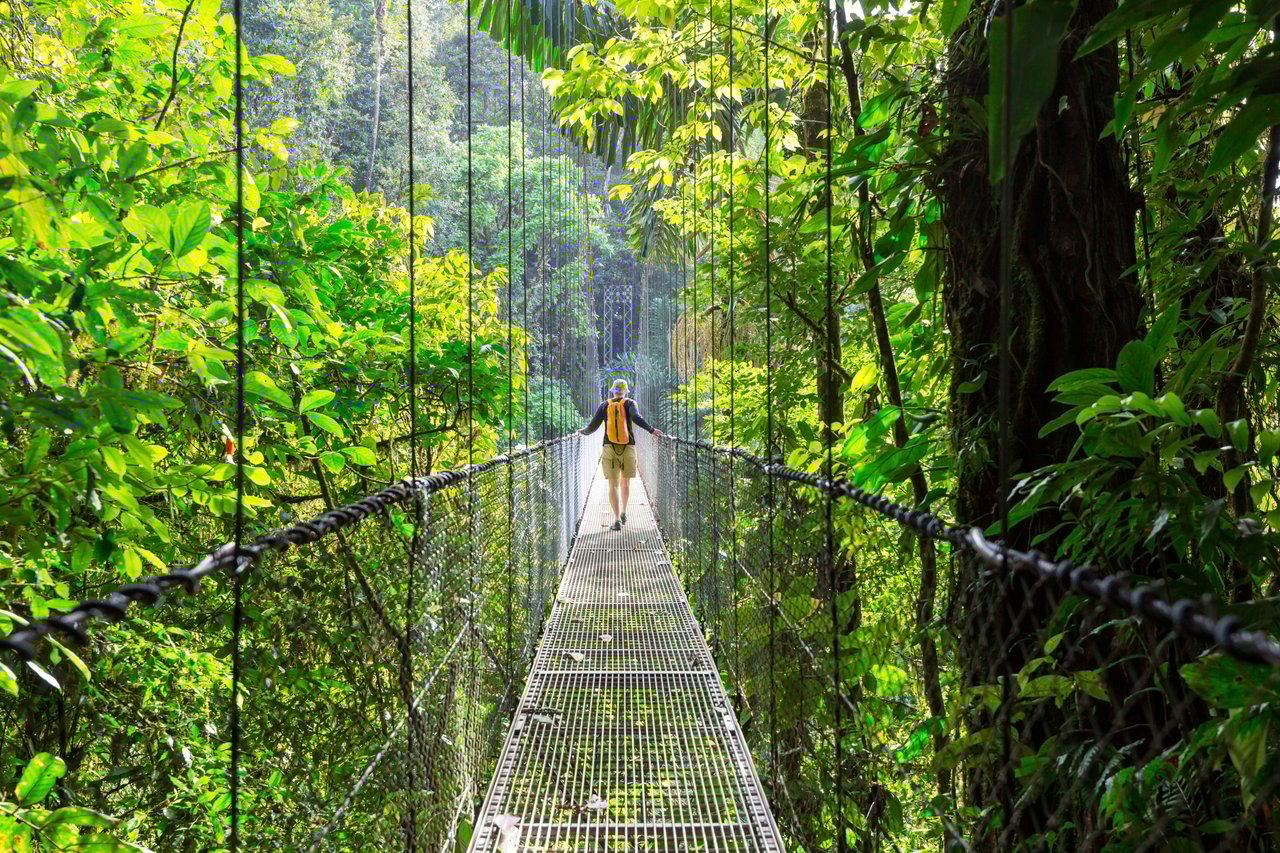
*Costa Rica is committed to preserving it's natural resources. it is widely commended for its sustainable eco-tourism practices; over 25% of it's land is protected by the national park system.

*High education levels, political and economic stability, and a strong tourism industry has attracted sizable foreign investment, including GlaxoSmithKline, Intel, Proctor & Gamble and Microsoft to name a few.

The fact that more than one million tourists visit Costa Rica each year does not happen by chance. Our country, located in Central America, is an isthmus where life seems to have created its roots. Covering only 0.03% of the surface of our planet, Costa Rica has approximately 6% of the world's biodiversity.

In addition, Costa Rica is characterized by an impressive scenic beauty, consolidated system of protected areas, social and political stability, high educational levels, and efficient infrastructure and services. All these characteristics you can find in a territory of only 51 thousand square kilometers, surrounded by both the Pacific and Atlantic Oceans, only three to four hours away from each other by land or 45 minutes by air.


Geography & Climate

Rugged highlands are found throughout most of the country, ranging from approximately 1,000 to 2,000 meters (3,000 to 6,000 feet above sea level). The country has a relatively long coastline in both the Atlantic and Pacific oceans, as well as a number of rivers and streams that attract specialist kayakers and rafters from all over the world.

Costa Rica's year round climate is pleasant with naturally occurring breezes, cooling down most of the coastal areas. Temperatures in the highlands and mountains are not so cold, especially during day, producing an 'eternal spring' feeling. The average annual temperatures range from 31.7°C (89°F) on the coast to 16.7°C (62°F) inland. The rainy or green season lasts from May to December with noticeably drier days during the rest of the year.


The Ticos

The Ticos, as Costa Ricans are commonly known, are famous for their hospitality, and are quite happy to live up to their reputation. They are well-educated and hard working people, who are quick with a handshake and a smile. They are well aware of the special land they have, and most likely they will help foreigners when they get lost, even explaining things that might seem bizarre to foreigners, and making their stay as enjoyable as possible.

People say the Ticos are their nation's greatest asset, and once you've experienced their friendliness and spontaneity, you'll have no doubt to that regard.


Government & Economy

Costa Rican system of government is very similar to that of the United States of America. There are three branches of government: Executive, which consists of the president, two vice presidents and cabinet; the Legislative Assembly, with 57 individually elected deputies; and, the Judicial Branch, which consists of civil, criminal, appellate and constitutional courts. The President for a second term is Peace Nobel Price winner Oscar Arias.

You don't have to drive very far in Costa Rica -- past the coffee, pastures, bananas and other crops -- to realize that agriculture is the basis of its economy. Coffee has historically been the country's most important crop, and Costa Rica continues to produce some of the finest coffee in the world. However in recent years less traditional crops have been playing an increasingly important economic role. Bananas are the second most important export crop, with vast plantations covering parts of the Caribbean lowlands, there is also significant land dedicated to the cultivation of pineapples, sugar, oranges, rice, hardwoods and ornamental plants, as well as raising cattle for beef and dairy products.

Though agriculture remains the basis of the national economy, tourism has earned more than any single export crop during the last few years, and the tourism industry continues to grow providing new employment opportunities, and stimulating the conservation of our complex biodiversity.

 © 2010 Agent Image All rights reserved. | Terms | Sitemap Design by Agent Image - Real Estate Web Site Design